
Winter Trees: Dormant or Dying?
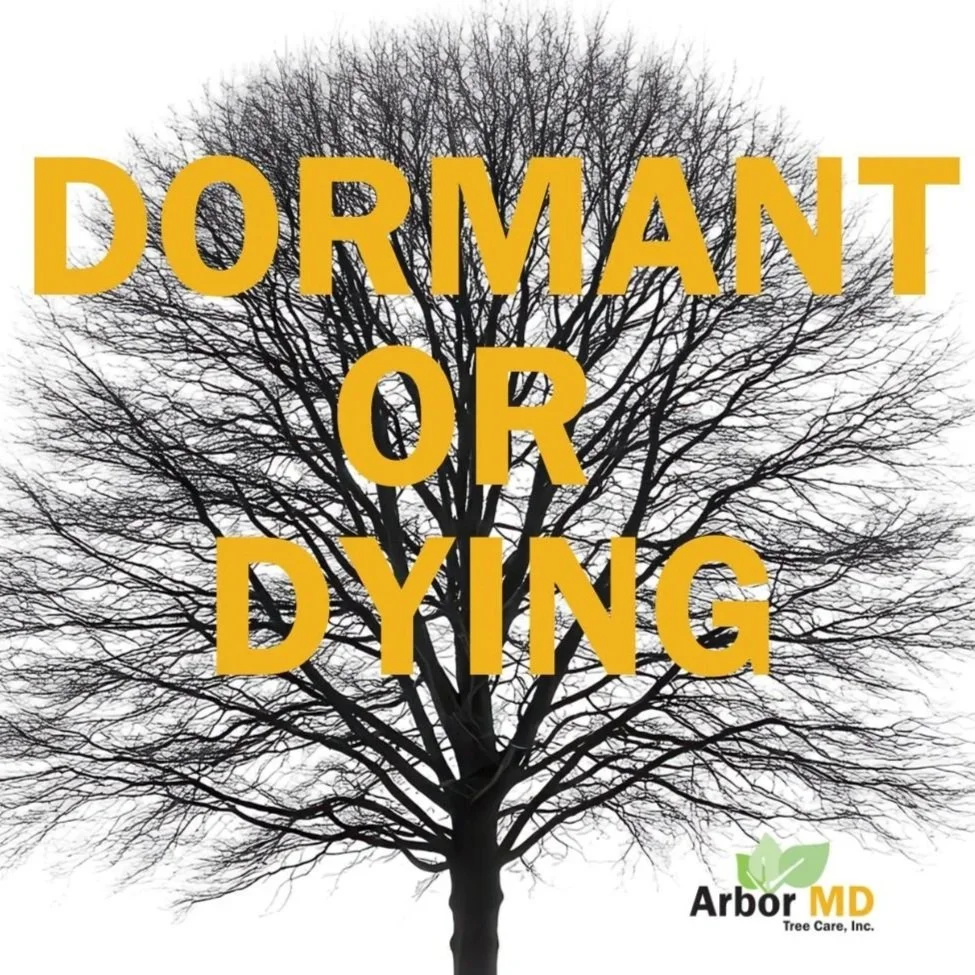
As temperatures drop and your trees shed their leaves, you might start to wonder about their health. The bare branches can make it difficult to tell if a tree is simply resting for the winter or if it's in trouble. Understanding the difference between a dormant tree and a dying one is key to providing the right care and ensuring it thrives when spring arrives.
So, how can you tell what’s really going on with your trees this winter? Let's explore the signs of a healthy, dormant tree versus one that may be in decline.
What Healthy Dormancy Looks Like
Dormancy is a natural survival state for trees. It's like a long nap that helps them conserve energy and withstand the cold. A healthy dormant tree will still show subtle signs of life.
When you inspect your trees, look for these indicators of normal winter dormancy:
Plump, visible buds: Healthy buds at the tips of branches are a promise of new leaves and growth in the spring.
Flexible branches: Living branches should bend without easily breaking.
Intact bark: The bark should be firm and solid, without large cracks, holes, or missing sections.
These are all positive signs that your tree is simply resting and preparing for the next growing season.
Warning Signs of a Declining Tree
A tree in decline, on the other hand, will show more alarming symptoms that go beyond normal winter bareness. If you noticed issues last fall, such as leaves dropping much earlier than on neighboring trees or significant thinning of the canopy, you should pay close attention.
Winter red flags for a declining tree include:
Shriveled or absent buds: A lack of healthy buds is a major warning sign that the tree is struggling.
Brittle branches: If branches snap easily with little pressure, they are likely dead.
Extensive bark damage: Look for deep cracks, large missing pieces of bark, or fungal growth on the trunk.
These symptoms suggest a progressive deterioration that won't simply reverse itself when spring returns.
When to Call a Professional Arborist
A certified arborist can diagnose underlying issues that you might not be able to see, such as root problems, soil deficiencies, or hidden diseases.
A professional assessment provides a complete evaluation of your tree's structure and health. From there, an expert can recommend a comprehensive Plant Health Care (PHC) program. A PHC program goes beyond treating single symptoms; it creates a long-term plan to address the root causes of stress, improve soil conditions, and manage pests. This approach gives a struggling tree the best chance of a full recovery.
Don’t leave your tree’s health to guesswork this winter. If you have any concerns that your tree might be dying, the best course of action is to get a professional diagnosis.
Is your tree's health in question?
Schedule a visit with one of our Arbor MD arborists today. Our experts can provide a thorough evaluation and create a tailored care plan to restore your tree's vitality for the seasons to come.
Arbor MD Tree Care, Inc. specializes in year-round care of treescapes for community living communities, commercial properties, corporate campuses, and other shared spaces in the SF Bay Area, Sacramento, Southern California and Greater Seattle/Portland. Our certified arborists focus on safety, property value, and special PHC or Plant Healthcare, to ensure your trees remain healthy and your property retains value.