
How To Save Storm-Damaged Trees
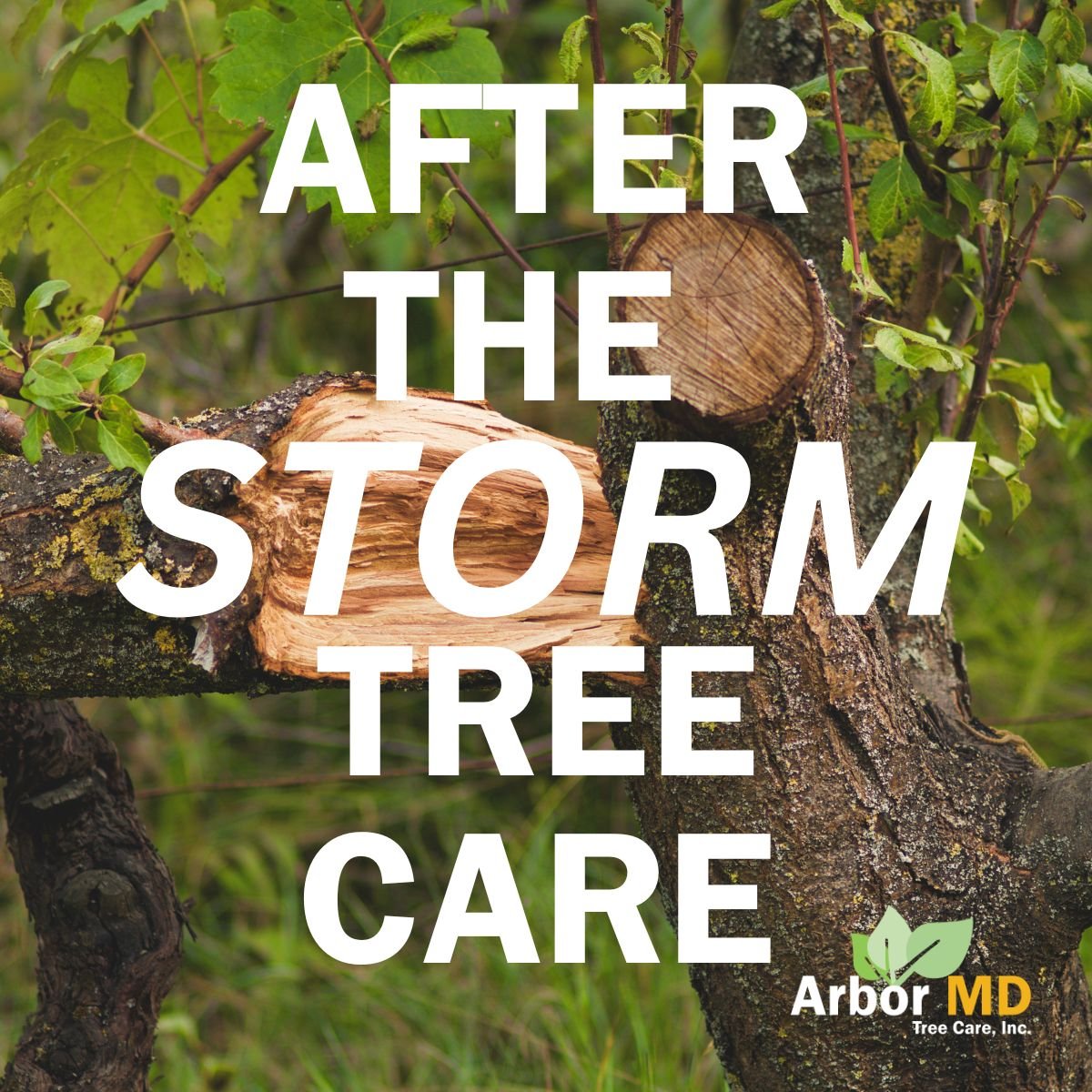
Storms can leave trees in precarious conditions, with broken branches, uprooted trunks, and hidden structural damage. While it may be tempting to handle the cleanup yourself, hiring a certified arborist and tree care team is crucial for ensuring safety, preserving your trees, and protecting your property. Here’s why:
Safety First
Storm-damaged trees are unpredictable. Broken branches can be under immense tension, and attempting to remove them without proper training can lead to serious injuries. Arborists are trained to assess and handle these risks safely. They use specialized equipment and techniques to manage hazardous situations, such as removing limbs near power lines or structures.
Expert Tree Assessment
Not all tree damage is visible to the untrained eye. Arborists and their Tree Care Teams can identify hidden issues like internal cracks, root instability, or weakened branches that may pose future risks. Their expertise helps to spot potential hazards, protecting both your property and your patrons.
Tree Preservation
A storm doesn’t always mean the end for a damaged tree. Arborists can determine whether a tree can be saved and recommend restorative pruning techniques to promote recovery. They follow industry standards, such as ANSI A300, to ensure proper care that strengthens the tree rather than causing further harm.
Avoiding Costly Tree Care Mistakes
Improper pruning methods, like topping or over-trimming, can weaken a tree’s structure and make it more susceptible to future storms. Arborists know how to prune strategically, preserving the tree’s health and longevity. Additionally, they can advise on whether a tree should be removed entirely, saving you from unnecessary expenses down the line.
Insurance and Professionalism
Certified arborists carry insurance, protecting you from liability in case of accidents during the cleanup process. They also adhere to professional standards, ensuring that the work is done efficiently and ethically. Beware of unqualified individuals who may offer quick fixes but lack the training and insurance to back their claims.
Long-Term Tree Care Planning
Beyond immediate storm recovery, arborists can help you plan for the future. They can recommend routine maintenance, such as structural pruning and deadwood removal, to reduce the risk of storm damage. They can also guide you in selecting and planting new trees that are better suited to your landscape, climate and overall commercial property.
Environmental and Aesthetic Benefits of Trees
Healthy trees contribute to the environment by providing shade, improving air quality, and supporting wildlife. Arborists help preserve these benefits by ensuring that storm-damaged trees are cared for properly. They also maintain the aesthetic value of your property by shaping and restoring trees to their natural beauty.
Professional Clean Up, Care and Continuity
Storm-damaged trees require more than just a quick cleanup—they need ongoing expert care to ensure safety, recovery, and long-term health. A certified arborist brings the knowledge, tools, and professionalism needed to handle these challenges effectively. By investing in an arborist, you’re not only protecting your property but also preserving the beauty and benefits of your trees for years to come.
If you do not have expert tree care for your commercial or community living properties, contact Arbor MD today. Our certified arborists and experienced tree care teams will assist with your immediate needs and offer long-term plans to keep your treescapes healthy.
Arbor MD Tree Care, Inc. specializes in year-round care of treescapes for community living communities, commercial properties, corporate campuses, and other shared spaces in the SF Bay Area, Sacramento, Southern California and Greater Seattle/Portland. Our certified arborists focus on safety, property value, and special PHC or Plant Healthcare, to ensure your trees remain healthy and your property retains value.