
Did Summer Heat Kill Your Commercial Property's Trees?
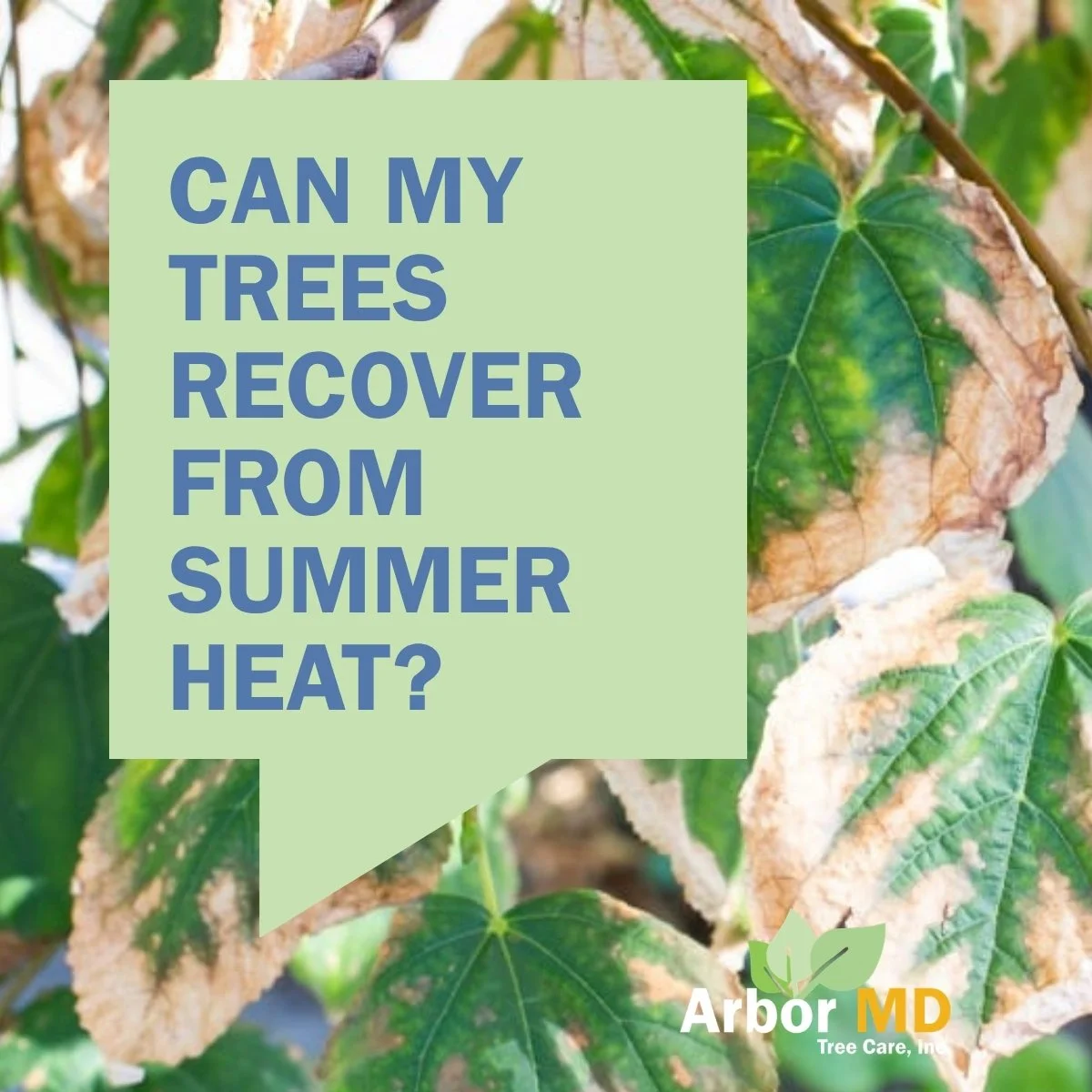
Now that temperatures have eased, it's worth looking back at how your trees held up. Some may be showing signs of stress. Others may be gone for good. Knowing the difference is the first step to protecting your property's treescape before winter arrives.
How to Tell If a Tree Has Permanent Heat Damage
Not all heat damage looks the same—and not all of it is fatal. The key is knowing what you're dealing with.
Wilted leaves, premature leaf drop, and scorched edges are common signs of heat stress. These symptoms can look alarming, but many trees recover on their own once conditions improve. The bigger concern is whether a tree has crossed into what arborists call the permanent wilting point.
What Is the Permanent Wilting Point?
The permanent wilting point is the threshold at which a tree can no longer absorb enough water to survive—even if soil moisture is restored. At this stage, the damage is irreversible. The tree will not recover, regardless of irrigation or care.
Heat Stress vs. Permanent Wilting Point: What's the Difference?
Heat stress is temporary. A tree experiencing heat stress is struggling, but its vascular system is still functioning. Water it properly, reduce any additional stressors, and there's a good chance it bounces back.
The permanent wilting point is the point of no return. The tree's root system has lost its ability to uptake water entirely. From the outside, the symptoms can look similar—which is exactly why a professional assessment matters.
Which Trees Are Most at Risk?
Here's an important distinction for commercial property managers and HOA boards: large, established trees are rarely killed by heat alone.
If a mature tree on your property appears severely damaged or dead, heat was likely a contributing factor—not the primary cause. Underlying issues like root disease, irrigation failure, compacted soil, or pest activity are often to blame.
Smaller trees and recently planted trees are a different story. Any tree planted within the last six months to two years has a shallow, underdeveloped root system. These trees have far less capacity to draw water from deeper soil layers during extreme heat. They are the most vulnerable, and the most likely casualties of a brutal summer.
If you lost young trees this season, don't replant without first understanding why they failed. The same conditions that took them out could affect replacements just as quickly.
Don't Wait—Another Heat Wave May Still Be Coming
The drop in temperatures doesn't mean summer is fully behind us. Heat waves can occur well into fall across California and the Pacific Northwest. Trees that are already stressed are in no condition to handle another round.
Acting now matters—and that starts with knowing which trees are gone for good. Trees that have reached the permanent wilting point are dead and need to be removed as soon as possible. Dead or severely weakened trees pose a serious safety risk and can attract pests and disease that spread quickly to healthy trees nearby. Don't wait. Assess your inventory, remove dead trees promptly, and build a recovery plan that puts your property in a much stronger position heading into winter.
Head Into Winter With a Healthy Treescape
A visual inspection from the ground only tells part of the story. A certified arborist from Arbor MD can evaluate each tree's structural integrity, root health, and overall condition—then give you a clear picture of what needs to go, what can be saved, and what should be replanted.
For commercial properties and HOAs managing large numbers of trees, a full inventory assessment is the most efficient way to prioritize action and avoid unnecessary spending on trees that won't recover.
Call Arbor MD today to schedule a consultation and ensure your trees are ready for whatever the season brings next.
The Arbor MD team works exclusively with commercial properties, HOAs, and large residential communities across the SF Bay Area, Sacramento, Southern California, and the Pacific Northwest. Their certified arborists bring over 15 years of experience to every assessment—and can help you build a recovery and replanting program tailored to your specific property.