
How to Build Your 2027 Annual Tree Care Budget
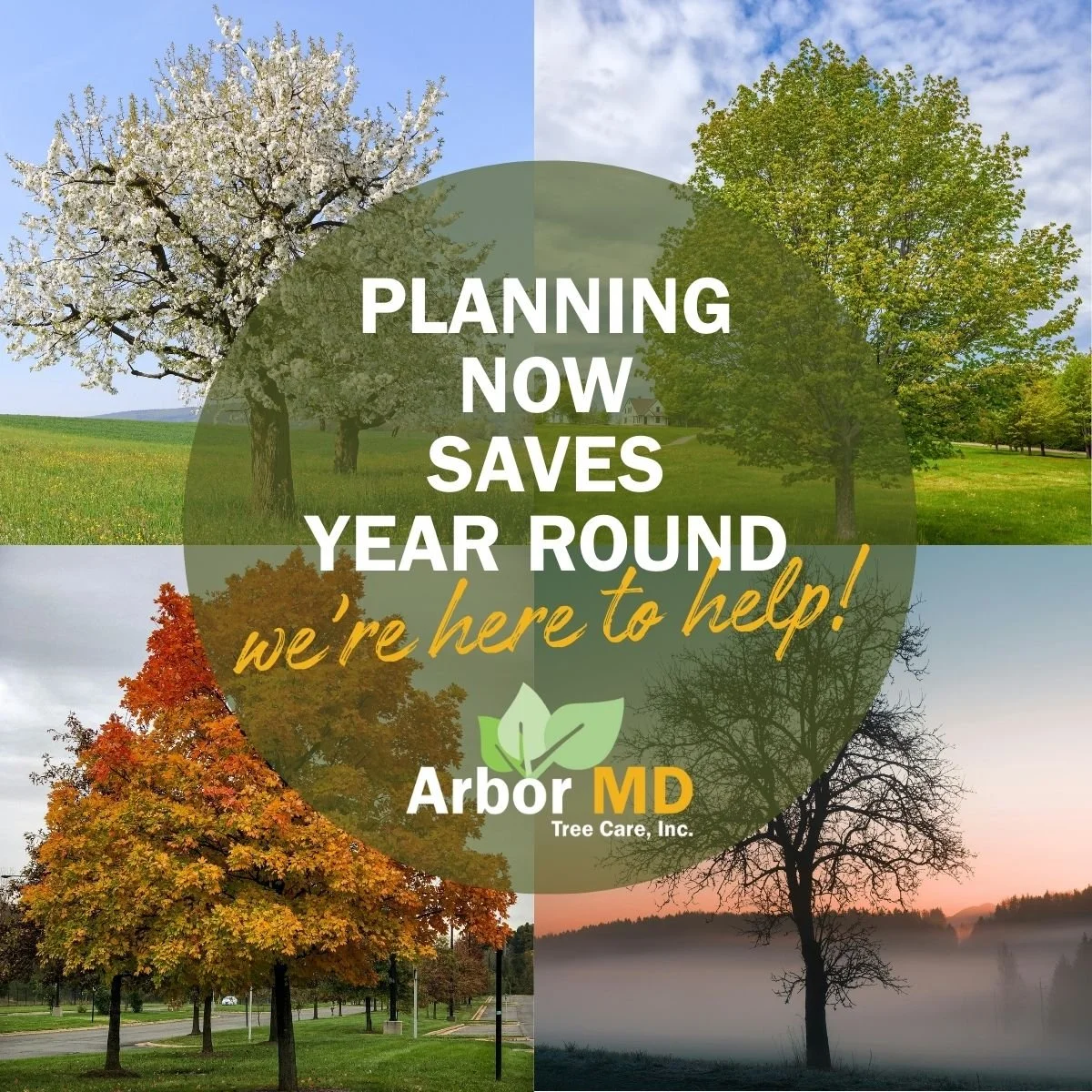
Managing a commercial property or community association requires significant foresight, particularly when it comes to landscaping. Trees represent a substantial portion of your property’s value and curb appeal, yet they often receive budgetary attention only when a crisis occurs. By creating a proactive maintenance plan for 2027 now, you can shift your strategy from reactive emergency spending to predictable, budgeted care that enhances safety and aesthetics.
A comprehensive annual plan is not just about keeping trees alive; it is about managing risk and controlling costs. Working with a certified arborist to map out the year ahead ensures that every dollar spent contributes to the long-term health of the urban forest surrounding your buildings and common areas.
Starting with a Professional Assessment
Before you can assign dollar figures to your 2027 budget, you must understand the current state of your assets. The foundation of any successful tree care plan is a professional assessment conducted by a certified arborist. This expert review goes beyond a simple walkthrough; it involves a detailed tree risk assessment to identify immediate hazards, such as dead branches, signs of decay, or root instability that could pose a liability to residents or visitors.
During this initial phase, your Arbor MD arborist will help you create or update a complete inventory of the trees on the property. This inventory logs the species, age, health, and specific location of every tree. With this data, you can establish clear goals—whether that involves improving the visual appeal of the entrance, rehabilitating aging oaks, or ensuring safety in high-traffic zones. This strategic overview provides the roadmap for the specific maintenance tasks required throughout the year.
Allocating Funds for Spring and Summer
Once the inventory is complete, your budget should be broken down by season to ensure cash flow aligns with maintenance needs. Spring is traditionally a busy time for tree care and requires a significant portion of the budget. As the landscape wakes up, resources should be allocated for pruning away winter damage, applying fertilizer to support new growth, and refreshing mulch beds to retain moisture. These early investments set the stage for the tree's performance throughout the rest of the year.
As the weather warms up, your budget priorities must shift toward preservation and defense. Summer maintenance focuses heavily on hydration and pest management. Your plan should account for deep, infrequent watering schedules that encourage robust root systems, rather than shallow daily sprinkling. Additionally, summer is when many pests and diseases become active. Funding for monitoring and targeted treatments during these months is critical to prevent minor infestations from becoming expensive, tree-threatening problems.
Planning for Fall and Winter Maintenance
As the growing season winds down, the focus of your 2027 plan should turn to the soil and structure. Fall is the ideal time to budget for root zone optimization. Activities such as soil aeration and root care are essential for relieving the compaction caused by mower traffic and foot traffic throughout the summer. This is also the time to evaluate structural pruning needs and prepare younger trees for the stress of the coming cold.
Winter might seem like a dormant period for landscaping, but it offers a unique opportunity for cost-effective maintenance. Without leaves obstructing the view, arborists can better inspect the structural integrity of deciduous trees. Your winter budget should include provisions for structural pruning and late-winter inspections. Addressing structural defects during this season is often easier and less stressful for the tree, ensuring they are safe and ready for the following spring.
Risk Management and Ongoing Monitoring
A static budget is rarely effective for living organisms. Your 2027 plan must include a contingency for risk management and ongoing monitoring. Trees change due to weather events, growth spurts, and environmental stress, meaning a plan created in January may need adjustment by July. Allocating funds for regular inspections allows you to catch problems early, often resolving them with minor interventions rather than expensive removals.
This portion of the plan focuses on managing hazardous trees and limbs, particularly those near parking lots, walkways, and buildings. Regular checkups—whether they are comprehensive yearly audits or seasonal site visits—ensure that your property remains safe and that your liability exposure is minimized. By building flexibility into the plan, your arborist can help you adapt to seasonal changes and unforeseen growth patterns without breaking the budget.
Finalizing Your 2027 Strategy
Developing a seasonal calendar with our Arborists transforms tree care from a guessing game into a manageable business process. By assessing your inventory now and allocating resources for specific seasonal needs, you protect your property’s assets and ensure a beautiful, safe environment for your tenants and community members. Start the conversation with Arbor MD today to finalize a budget that works for your 2027 financial goals.
Arbor MD Tree Care, Inc. specializes in year-round care of treescapes for community living communities, commercial properties, corporate campuses, and other shared spaces in the SF Bay Area, Sacramento, Southern California and Greater Seattle/Portland. Our certified arborists focus on safety, property value, and special PHC or Plant Healthcare, to ensure your trees remain healthy and your property retains value.