
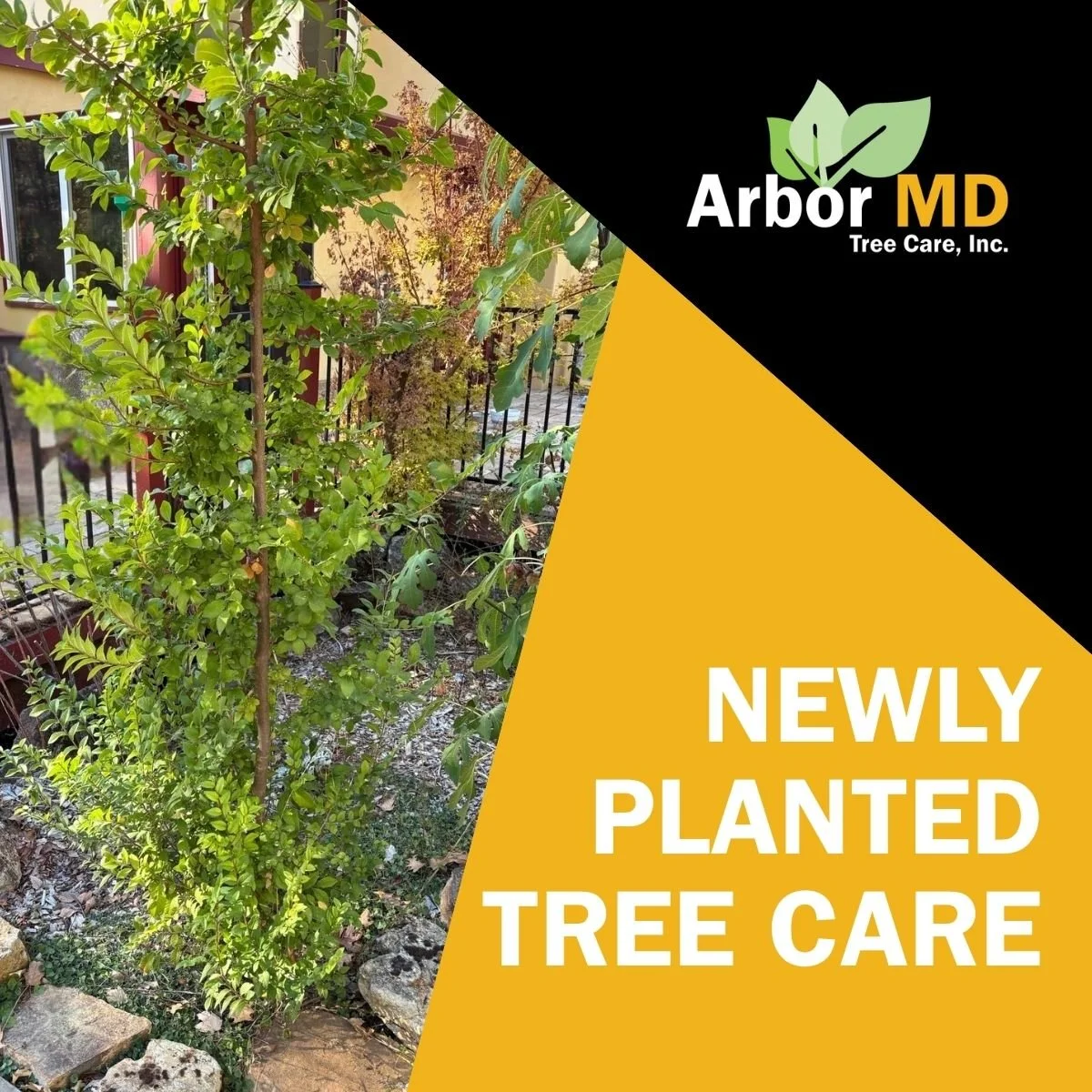
Fall through winter is one of the best times to plant trees in California and the Pacific Northwest — and one of the most important periods for establishing trees already in the ground. Mild temperatures reduce transplant stress, winter rains ease watering demands, and root systems grow actively even as above-ground growth slows. The priorities right now: consistent moisture, proper mulching, stake checks, structural pruning timed correctly, and knowing when to call your arborist before spring growth begins.
A newly planted tree is a long-term investment — in shade, curb appeal, stormwater management, and property value. In California, the fall-through-winter period isn't a time to put tree care on pause. It's actually the heart of planting season. Root systems develop actively in cool, moist soil, and trees planted now through April have a significant advantage over those planted in the heat of summer. The same applies to trees already in the ground: this is the season to monitor, adjust, and set them up for a strong spring. The good news: a few targeted practices, applied at the right time, give newly planted trees the foundation they need to thrive.
This guide covers what commercial property managers and HOA boards should be doing right now to protect their tree investment through fall and winter — and when to bring in a certified arborist.
Fall and Winter Is Prime Planting Season — Use It
In California, October through April is the ideal window for planting most trees. Cooler air temperatures reduce transplant stress, and winter rains — even if variable — help supplement irrigation and support root development. Trees planted now have months of mild, root-friendly conditions before summer heat arrives.
For commercial properties and HOA communities with planting projects planned, don't wait until spring. Getting trees in the ground this fall or winter gives them a meaningful head start. Arbor MD's arborist team works with property managers to plan and execute planting projects during this window, from species selection and nursery sourcing to installation and first-year care.
When to call your arborist: If your property has open planting sites, damaged trees that need replacement, or a landscape plan that calls for new trees, now is the time to schedule a consultation. The best planting window is open — don't let it close without taking advantage of it.
Keep Watering, but Adjust for Rainfall
One of the most common fall mistakes on California commercial sites is either cutting irrigation entirely because the rainy season has started, or continuing a summer-heavy schedule that saturates the root zone during cool, wet months. Neither extreme serves a newly planted tree well.
As fall rains arrive, reduce supplemental irrigation — but don't eliminate it. Rainfall in California is uneven, and dry spells between storms are common. Trees planted in the last six months still need consistent moisture at root depth, and natural precipitation alone may not be sufficient, particularly on south-facing slopes, under building overhangs, or in areas with fast-draining soils.
Check soil moisture at a depth of 4 to 6 inches near the root zone. It should feel consistently moist but not waterlogged. Adjust irrigation based on what the soil tells you, not just the calendar.
When to call your arborist: If a tree planted this past spring or summer showed signs of drought stress — wilting, early leaf drop, or tip dieback — have an arborist assess its condition before winter. Trees entering the cool season already stressed are at greater risk of failing in spring. An arborist can evaluate root health and recommend targeted treatments while conditions are still favorable.
Mulch the Root Zone Now
Fall is the right time to check and refresh mulch around newly planted trees. In California, where winters stay mild, mulch serves less as insulation against frozen ground and more as a moisture regulator and weed suppressor during the rainy season. A 3- to 4-inch layer of coarse organic mulch over the root zone helps even out soil moisture fluctuations between storms and dry spells, protects developing roots from temperature swings, and reduces competition from weeds that take advantage of winter rains.
If mulch has broken down or thinned since spring, top it up now. The same rule applies year-round: keep a 3- to 6-inch gap of bare soil around the base of the trunk. Piling mulch against bark traps moisture against the tree during cool, wet months, accelerating rot and creating habitat for pests.
When to call your arborist: If you notice bark discoloration, soft spots, or fungal growth at the base of a tree — particularly where mulch has been in contact with the trunk — have an arborist evaluate it before winter rains set in. These issues tend to worsen in cool, wet conditions, and catching them in fall is significantly better than discovering the damage in spring.
Time Structural Pruning for Late Winter
Fall is generally not the right time to prune newly planted trees for shape or clearance. Pruning stimulates new growth, and in California's mild winters, trees can push new growth in response to pruning cuts even in December or January — growth that's vulnerable to a late cold snap. For trees in their first or second year, the better approach is to wait until late winter, typically February through March, when the risk of frost has passed but trees haven't yet broken dormancy.
The exception: remove any broken, split, or dead branches now. Damaged wood is a point of entry for disease and pests, and clearing it before winter rains reduces that risk without pushing unwanted new growth.
Late winter is also the right window for structural pruning — correcting co-dominant leaders, removing crossing branches, and guiding the tree's long-term form. Arbor MD's arborists plan and schedule this work for commercial sites so it happens at the right time, not after the opportunity has already passed.
When to call your arborist: If you notice structural concerns, or if a tree has significant deadwood that needs clearing, schedule an arborist evaluation this fall. Your arborist can advise on what should be addressed now versus what's better timed for late winter, and can get that work on the calendar before spring growth begins.
Check Stakes Before Winter Rains and Wind
Fall is the right time to inspect staking hardware before the rainy season brings saturated soils and seasonal storms. In California, the risk isn't hard freezes — it's the combination of wind events and rain-softened soil that can shift a root ball or snap a poorly supported tree.
Check that ties haven't tightened against the bark as the trunk has grown. Stakes should allow natural trunk movement — a tree tied too rigidly builds less trunk strength and is more likely to struggle once stakes are removed. If a tree was planted this spring or summer and stakes are still in place, assess whether they're still necessary or whether the tree can now support itself.
For trees planted last year, this winter should generally be the last season they remain staked. Stakes left in place too long cause real damage — and on commercial properties with many trees across a site, forgotten stakes are a common problem.
When to call your arborist: If a tree still leans significantly despite staking, or if stake ties have already caused visible trunk damage, have an arborist evaluate the situation before winter weather adds stress to an already compromised tree.
Monitor Through Winter — Dormancy Doesn't Mean Safe
In California, newly planted trees may not go fully dormant the way they would in colder climates. Evergreen species continue growing year-round. Even deciduous trees are actively developing root systems through the cool season. That means winter monitoring remains important, even when trees look quiet above ground.
Walk newly planted trees on your property monthly through winter and note any changes: unusual bark cracking, signs of pest activity, heaving at the root ball, or a change in lean. Pay particular attention after significant weather events — sustained rain, wind, or a cold snap. Root balls on trees planted this year are not yet fully anchored, and saturated soils after heavy rain can shift or tip a tree that appeared stable. Early intervention after a weather event is almost always simpler and less costly than addressing a structural failure in spring.
When to call your arborist: Any significant change in a tree's position, bark condition, or apparent health warrants a call. Arbor MD's arborist team responds to storm-related tree concerns and can assess whether a recently planted tree needs intervention before further damage occurs.
Understand Where Your Trees Are in the Establishment Timeline
A newly planted tree needs roughly one year of attentive care per inch of trunk diameter. A tree planted this past spring or summer is still in the most vulnerable phase of establishment heading into its first winter. A tree planted last year is more established but not fully independent — particularly if last summer's dry season was hard on it.
This timeline matters for how you approach fall and winter care. First-year trees need more active monitoring and irrigation management through the rainy season. Second-year trees need less, but still benefit from a fall mulch check, a soil moisture assessment, and a walk-through for stress symptoms before winter sets in.
When to call your arborist: An arborist can evaluate whether a specific tree is progressing through establishment as expected and recommend whether fall treatments — such as deep root fertilization or soil amendments — would help a struggling tree head into winter in a stronger position.
Contact Arbor MD
Some situations call for professional arborist support right away. Contact Arbor MD before or during winter if you observe any of the following:
A tree that didn't fully recover from summer drought stress
Persistent bark discoloration, soft spots, or fungal growth at the base
A root ball that has shifted or a trunk that leans more than it did at planting
Stakes that have caused visible trunk damage
Broken, split, or dead branches that need to be cleared before the rainy season
Any structural concern that could pose a safety risk during winter storms
Open planting sites ready to take advantage of California's fall-through-winter planting window
Arbor MD's certified arborist team works with commercial properties and HOA communities throughout the year, including fall planting projects, establishment monitoring, storm response, targeted tree health care treatments, and late-winter pruning programs. Contact Arbor MD to schedule a fall consultation and make sure your newly planted trees are set up to come through winter strong — and ready to thrive in spring.
Arbor MD helps property managers protect their landscapes, reduce liability, and preserve the long-term value and safety of the trees under their care. Combining hands-on expertise with a commitment to sound arboricultural practices, Arbor MD delivers reliable guidance and service tailored to the demands of managed properties. To learn more about our tree care and arborist services, visit www.arbormd.com.